





Understanding Anxiety: What to Look For and How to Handle It
Anxiety is something most of us experience at some point in life. Whether it’s feeling nervous before a big presentation or worrying about an upcoming
How to Improve Your Sleep in Stressful Times
When the world seems to be falling apart, it can be hard to relax. You might find yourself constantly going over what could or will happen, or maybe even running through the past and trying to figure out how you messed up so much in the first place.
Unplug The Gadgets 30 Minutes Before Bed
It’s no secret that stress can take a toll on your sleep. If you’re finding it hard to catch some zzz’s, unplugging from your gadgets may help.
According to a recent study, spending time on devices like phones and laptops before bed can make it harder to fall asleep. The blue light emitted from screens can disrupt your body’s natural sleep cycle.
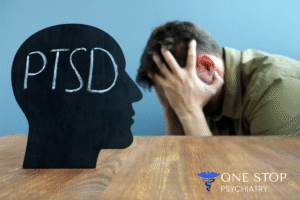
Post-Traumatic Stress Disorder (PTSD)
Post-traumatic stress disorder (PTSD) is a widespread mental health issue that can occur after experiencing a traumatic event. It includes symptoms like flashbacks, anxiety, negative

Caring for Mental Health at Work: How to Support Yourself and Your Team
Supporting mental health in the workplace doesn’t require big, dramatic changes—it can be as simple as taking small steps to protect your own well-being and being mindful of those around you. Whether it’s setting boundaries for yourself, offering a listening ear to a co-worker, or advocating for mental health awareness in your company, these actions can help create a healthier, more productive environment for everyone.

How Therapy can Help With Mental Health Disorders?
It’s no secret that therapy can be expensive. But what if I told you that it could be worth every penny? In this article, I’ll be discussing how therapy can help with mental health disorders and why it’s such an important tool for those struggling with their mental health.
What is therapy?
Therapy, also known as psychotherapy or counseling, is a process of discovering and understanding your thoughts, feelings, and behaviors in order to improve your mental health. It can be an incredibly effective treatment for mental health disorders, providing you with the tools you need to manage your symptoms and improve your overall well-being.

Pharmacogenomics: Personalizing Psychiatric Medications for Better Results
How pharmacogenomics testing can help in psychiatric medication management?
Pharmacogenomics testing is a relatively new field that is beginning to be used more and more in psychiatric medication management. This type of testing can help to identify which medications will work best for a particular patient, based on their genetic makeup. In this article, we’ll discuss the use of pharmacogenomics testing in psychiatric medication management and how it can benefit patients.
What is pharmacogenomics testing?
Pharmacogenomics testing is a type of genetic testing that can help to predict how a person will respond to certain psychiatric medications. This information can be used to tailor medication treatment plans for individual patients.

You’re Not Alone: How to Deal with Depression and Where to Find Help
Depression is more than just feeling sad or going through a rough patch—it’s a real mental health condition that affects millions of people worldwide, including
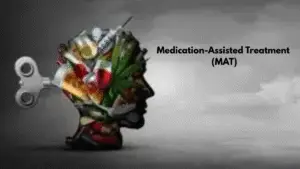
Is Medication-Assisted Treatment (MAT) Right for You? Understanding the Process and Benefits
Addiction is a chronic brain disease, and people affected by addiction can experience both emotional and behavioral changes. Though there are many ways of treating addiction, the effectiveness of those treatments varies based on the type that’s recommended. Medication-assisted treatment (MAT) is widely accepted as an effective way to manage addiction for some individuals. In this article, we’ll be discussing MAT in general and how it would work to treat certain types of addictions.

This Is What Panic Disorder Looks Like And Why You Should Seek Treatment
Panic disorder is the third most commonly diagnosed anxiety disorder in the US. According to one study, this condition affects over 1 percent of Americans-2 million people and occurs twice as often in women than in men. A combination of psychotherapy and medications are typically used to manage panic disorder.
When you understand the science behind panic attacks, it can be easier to see why treatment is so important. Panic attacks are caused by a combination of factors, including genetics, environmental stressors, and brain chemistry.