




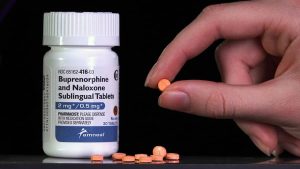
Is Suboxone® Right for You? A Guide to Buprenorphine and Naloxone Treatment
Suboxone is a medication that is used to treat opioid addiction. It is a combination of two drugs, buprenorphine, and naloxone. Buprenorphine is an opioid agonist, which means it binds to the same receptors in the brain as other opioids such as heroin and morphine. Naloxone is an opioid antagonist, which means it blocks the effects of opioids. Suboxone is taken as a tablet or film that is placed under the tongue or inside the cheek. It is usually taken once a day.
Suboxone is used as part of a complete treatment program that includes counseling and behavioral therapy. It should not be used if you are pregnant or breastfeeding. You should not drink alcohol or use other drugs while taking Suboxone. If you stop taking Suboxone suddenly, you may experience withdrawal symptoms such as anxiety, sweating, shaking, nausea, and diarrhea.
Proven Tools to Master Your ADHD:Say Goodbye to Chaos
Being an adult with ADHD can frequently feel overwhelming. The book “Taking Charge of Adult ADHD” by Dr. Russell Barkley is a ray of hope for people who are having trouble controlling their symptoms since it provides useful tools and techniques. This book focuses on how to survive in spite of ADHD rather than going into great detail on the diagnosis itself.
Several useful methods that assist in addressing the difficulties of adult ADHD head-on are at the core of the book:
What is Bipolar disorder?
Bipolar disorder also called manic depression, is a mental health condition that causes people to experience extreme changes in mood. Symptoms of bipolar disorder can include periods of depression, followed by periods of mania or hypomania. Although bipolar disorder can be a lifelong condition, it is possible to manage the symptoms with medication and therapy. The highs, or mania, can be very intense and last for long periods of time. The lows, or depression, can be just as intense and last for long periods of time. People with bipolar disorder often have trouble functioning in their everyday lives.
Symptoms of bipolar disorder
Bipolar disorder is a mental illness that causes extreme shifts in mood, energy, and activity levels. People with bipolar disorder can have periods of intense happiness, followed by periods of deep depression. These mood swings can be so severe that they interfere with everyday life.
How to Improve Your Sleep in Stressful Times
When the world seems to be falling apart, it can be hard to relax. You might find yourself constantly going over what could or will happen, or maybe even running through the past and trying to figure out how you messed up so much in the first place.
Unplug The Gadgets 30 Minutes Before Bed
It’s no secret that stress can take a toll on your sleep. If you’re finding it hard to catch some zzz’s, unplugging from your gadgets may help.
According to a recent study, spending time on devices like phones and laptops before bed can make it harder to fall asleep. The blue light emitted from screens can disrupt your body’s natural sleep cycle.
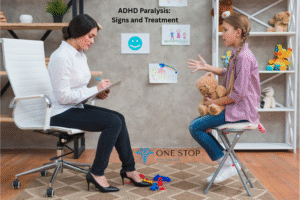

Caring for Mental Health at Work: How to Support Yourself and Your Team
Supporting mental health in the workplace doesn’t require big, dramatic changes—it can be as simple as taking small steps to protect your own well-being and being mindful of those around you. Whether it’s setting boundaries for yourself, offering a listening ear to a co-worker, or advocating for mental health awareness in your company, these actions can help create a healthier, more productive environment for everyone.