
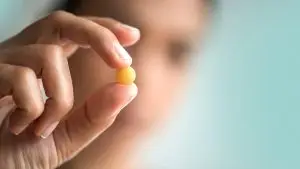

What to Expect with Naltrexone: Benefits, Uses, and Side Effects
Addiction is a complex disease that can have many different causes. But regardless of the root cause, addiction always involves changes in the brain. These changes can make it difficult for people to quit on their own, which is why medications like naltrexone can be so helpful. Naltrexone is a medication that helps to normalize brain chemistry and reduce cravings, making it an important tool in the fight against addiction.
What is Naltrexone?
Naltrexone is a medication that has been shown to be effective in treating addiction. It works by blocking the effects of drugs, such as opiates, on the brain. This can help to reduce cravings and prevent relapse. Naltrexone is available in both oral and injectable forms.

Is Vivitrol Right for You? Understanding Its Role in Addiction Recovery
Addiction is a chronic disease that affects the brain and changes the way a person feels, thinks, and behaves. It is a disease that can be difficult to overcome without treatment. However, there are treatments available that can help people struggling with addiction recover. Vivitrol is one such treatment. This article will discuss how Vivitrol works and how it can help people overcome addiction.
What is Vivitrol?
Vivitrol is a prescription medication that can help treat alcohol and drug addiction. It is a long-acting form of naltrexone, an opioid receptor antagonist that blocks the effects of drugs like heroin, morphine, and codeine.
Vivitrol can help people who are addicted to alcohol or drugs by reducing cravings and helping to prevent relapse. It is most effective when used in combination with other treatment methods, such as therapy and counseling.
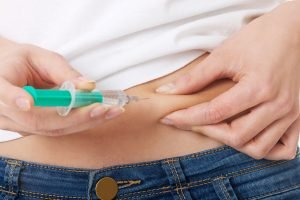
Regain Control from Opioid Addiction: How Sublocade Supports Recovery
Opioid addiction is a tough battle, affecting millions of lives across the U.S. every day. It can feel like an overwhelming cycle, but the good news is, recovery is possible. One treatment that’s been gaining attention lately is Sublocade, a medication specifically designed to help people manage opioid addiction. But what exactly is Sublocade, and how can it help someone struggling with addiction?
In this post, we’ll explore what Sublocade is, how it works, and why it might be a game-changer in your journey to recovery. If you or a loved one is trying to overcome opioid addiction, understanding what this treatment offers can be a big step toward finding the right help.
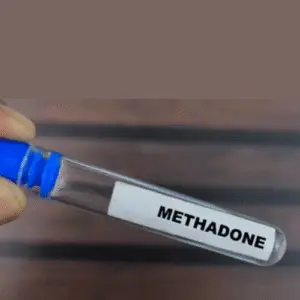
Methadone for Opioid Addiction: How It Works and Our Alternatives
Methadone is a medication that has been used for decades to treat opioid addiction. It works by binding to the same receptors in the brain as opioids, but without producing the same high. This can help to reduce cravings and withdrawal symptoms, making it easier for people to stop using opioids.
What is Methadone?
Methadone is a medication that is used to treat opioid addiction. It is a long-acting synthetic opioid that is similar to morphine. Methadone is taken orally and works by binding to the same brain receptors as opioids, but it produces a much weaker effect. This reduces the risk of overdose and decreases the intensity of withdrawal symptoms.
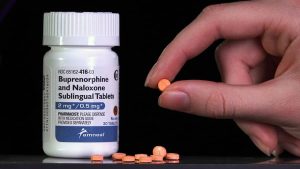
Is Suboxone® Right for You? A Guide to Buprenorphine and Naloxone Treatment
Suboxone is a medication that is used to treat opioid addiction. It is a combination of two drugs, buprenorphine, and naloxone. Buprenorphine is an opioid agonist, which means it binds to the same receptors in the brain as other opioids such as heroin and morphine. Naloxone is an opioid antagonist, which means it blocks the effects of opioids. Suboxone is taken as a tablet or film that is placed under the tongue or inside the cheek. It is usually taken once a day.
Suboxone is used as part of a complete treatment program that includes counseling and behavioral therapy. It should not be used if you are pregnant or breastfeeding. You should not drink alcohol or use other drugs while taking Suboxone. If you stop taking Suboxone suddenly, you may experience withdrawal symptoms such as anxiety, sweating, shaking, nausea, and diarrhea.
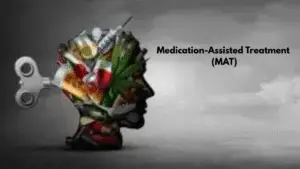
Is Medication-Assisted Treatment (MAT) Right for You? Understanding the Process and Benefits
Addiction is a chronic brain disease, and people affected by addiction can experience both emotional and behavioral changes. Though there are many ways of treating addiction, the effectiveness of those treatments varies based on the type that’s recommended. Medication-assisted treatment (MAT) is widely accepted as an effective way to manage addiction for some individuals. In this article, we’ll be discussing MAT in general and how it would work to treat certain types of addictions.