
Children and Teens
We diagnose and treat schizophrenia in adults. With children and teens, we focus on figuring out which symptoms are causing trouble and treating those, whether that’s mood swings, sleep problems, anxiety, trouble concentrating or something else.
The DSM-5, the manual clinicians use to diagnose mental illness, doesn’t set a minimum age for diagnosing schizophrenia. Still, it’s rare in younger children, and NIMH notes it’s usually diagnosed between 16 and 30. Symptoms in young people can overlap with other conditions, so a diagnosis at a young age takes careful evaluation over time, and a parent or guardian is part of every visit and decision.
How Families Can Help
- Help your loved one get treatment and keep going with it
- Remember that hallucinations and delusions feel completely real to them
- Be kind and respectful, without going along with dangerous behavior
- Look for family education programs and support groups
If an adult loved one doesn’t want care, call us anyway. We can talk through what you’re seeing and how to approach it.
How to Get Started
1. Ask for an appointment
Call (754) 270-6322 or request an appointment online. We’re open Monday through Saturday, 9:00 AM to 5:00 PM, and same-day visits are often possible.
2. We call you back
Our staff check your insurance, send your intake packet and confirm the time of your visit and whether it’s in our Fort Lauderdale office or by video.
3. Your first visit
Your provider goes over your symptoms, history, past treatment and current medications, then talks through a plan with you. Family members are welcome at the visit if the patient agrees.
Common Questions
Can schizophrenia be cured?
There’s no cure, but treatment helps many people manage symptoms and live full lives.
Do you give long-acting injections?
Yes. We give Invega, Abilify Maintena, Uzedy and Haldol Decanoate at our Fort Lauderdale office. See all long-acting injections.
Can visits be done by video?
Many follow-ups can, while you’re in Florida. Injections and some evaluations happen in the office.
Do you treat schizophrenia in children?
We diagnose and treat schizophrenia in adults. For children and teens, we focus on identifying and treating the symptoms they’re struggling with.
Does insurance cover schizophrenia treatment?
Coverage depends on your plan. We take Medicare and Medicaid, and our staff check your coverage before the visit.
Insurance and Cost
We take Medicare, Medicaid, Tricare, Aetna, Blue Cross Blue Shield, Cigna, UnitedHealthcare, Humana and Optum, and we have sliding-scale rates if you’re paying yourself. We check your coverage before the visit. The price of the medication itself depends on your pharmacy and plan. More on insurance.
We see patients from age 6, and same-day visits are often possible. Several of our providers and staff speak Spanish. Request an appointment or call (754) 270-6322.
Who You’ll See
Your care is with our team of physicians, psychiatric nurse practitioners and a physician assistant. Visits are available in English, Spanish, Russian, Urdu and Hindi. You can meet our providers before you book, and our staff can help you choose someone who’s a good fit.
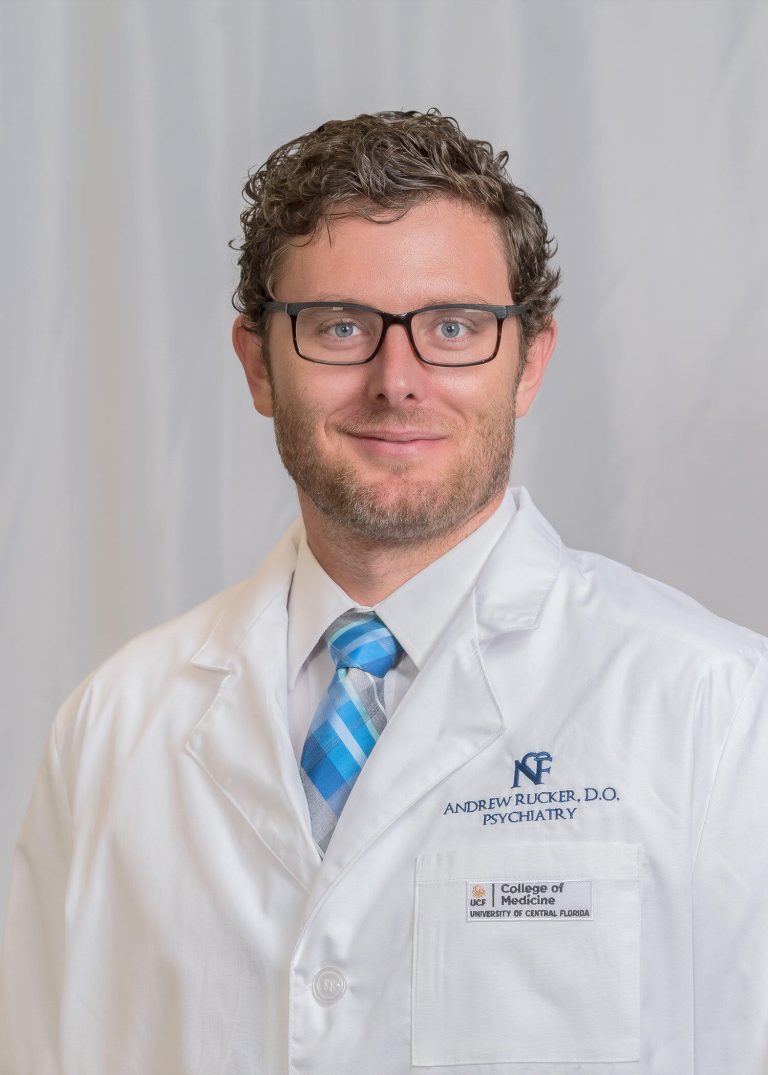 Dr. Andrew C. Rucker, DOPsychiatrist
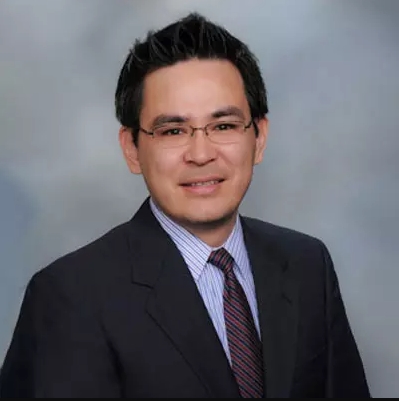 Dr. Murtaza Ali, DOAddiction specialist and family physician
 Dr. Heather Brathwaite, PhD, PMHNP-BCPsychiatric nurse practitioner
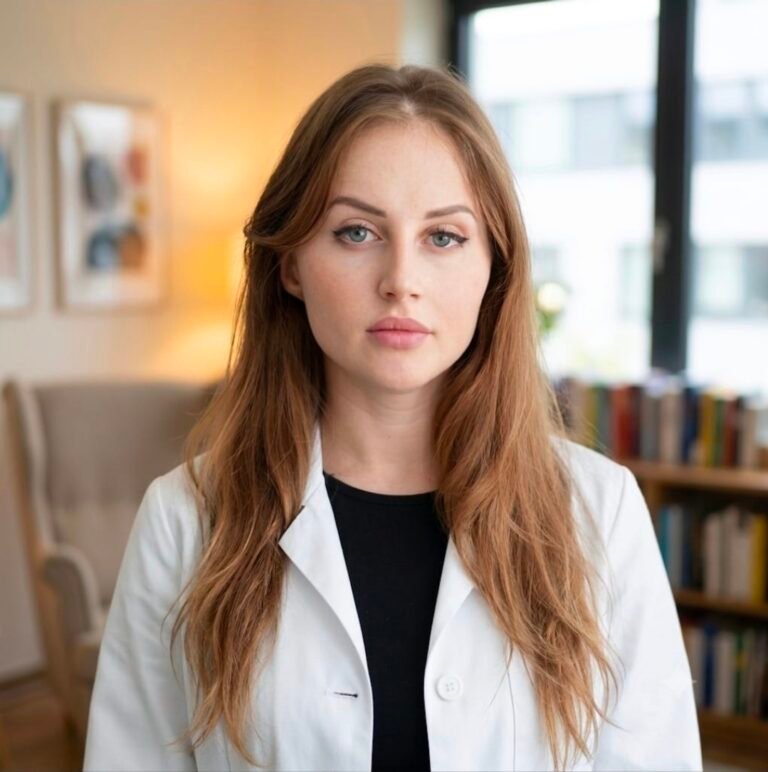 Michelle KovalPsychiatric nurse practitioner. Speaks Russian
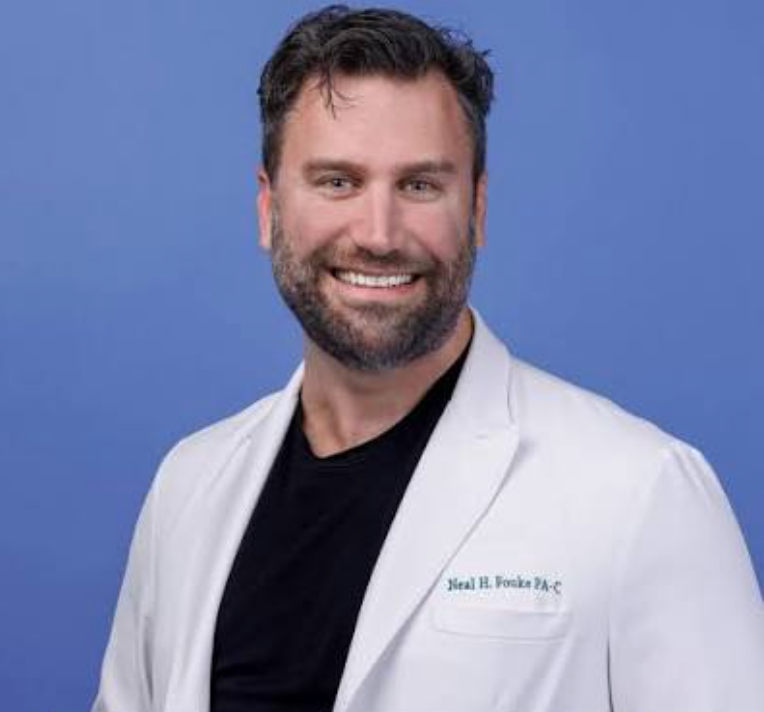 Neal Fouke, PAPsychiatric physician assistant
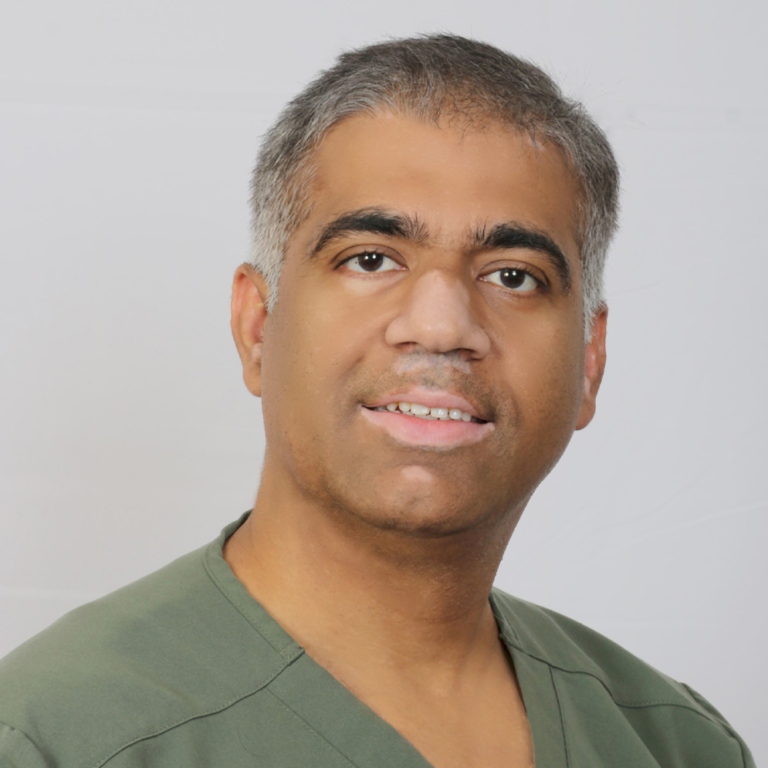 Muhammad Nawaz, PMHNP-BCPsychiatric nurse practitioner. Speaks Urdu and Hindi
We aren’t an emergency service. If you’re thinking about suicide or you’re in crisis, call or text 988. If you or someone else is in immediate danger, call 911.
Medically reviewed by Dr. Andrew C. Rucker, DO, psychiatrist, on October 6, 2026.
Sources: NIMH: Schizophrenia; MedlinePlus: Schizophrenia. This page is general information, not medical advice.