



What Causes Anxiety? Symptoms and Treatment Options
Anxiety is a mental health disorder characterized by feelings of worry, anxiety, or fear that are strong enough to interfere with one’s daily activities. There are different types of anxiety disorder. Causes include stress, trauma, genetics, and others. Symptoms of anxiety may include feeling irritable, restless or jittery, having muscle tension, or having trouble sleeping. The most common treatment options for anxiety disorders are therapy and medication.
Types of Anxiety
There are different types of anxiety, and each type can have different symptoms. Treatment options will vary depending on the type of anxiety you have. Here are some of the most common types of anxiety:

Panic Attack Survival Guide: Easy Self-Care Tips for Overcoming Anxiety
Have you ever been going about your day when, out of nowhere, your heart starts racing? Maybe you feel like you can’t catch your breath, or it feels like the walls are closing in. It’s scary, right? If you’ve had a moment like this, it might have been a panic attack. And guess what? You’re not alone. Panic attacks are way more common than you think, and they can happen to anyone.
The good news is, you can get through them. They’re uncomfortable, for sure, but with a little know-how, they don’t have to control your life.
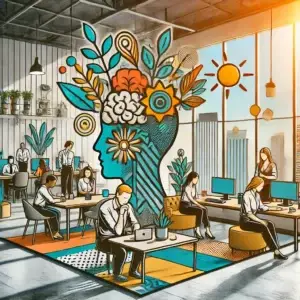
Caring for Mental Health at Work: How to Support Yourself and Your Team
Supporting mental health in the workplace doesn’t require big, dramatic changes—it can be as simple as taking small steps to protect your own well-being and being mindful of those around you. Whether it’s setting boundaries for yourself, offering a listening ear to a co-worker, or advocating for mental health awareness in your company, these actions can help create a healthier, more productive environment for everyone.
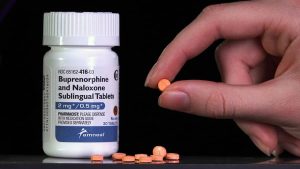
Is Suboxone® Right for You? A Guide to Buprenorphine and Naloxone Treatment
Suboxone is a medication that is used to treat opioid addiction. It is a combination of two drugs, buprenorphine, and naloxone. Buprenorphine is an opioid agonist, which means it binds to the same receptors in the brain as other opioids such as heroin and morphine. Naloxone is an opioid antagonist, which means it blocks the effects of opioids. Suboxone is taken as a tablet or film that is placed under the tongue or inside the cheek. It is usually taken once a day.
Suboxone is used as part of a complete treatment program that includes counseling and behavioral therapy. It should not be used if you are pregnant or breastfeeding. You should not drink alcohol or use other drugs while taking Suboxone. If you stop taking Suboxone suddenly, you may experience withdrawal symptoms such as anxiety, sweating, shaking, nausea, and diarrhea.


Regain Control from Opioid Addiction: How Sublocade Supports Recovery
Opioid addiction is a tough battle, affecting millions of lives across the U.S. every day. It can feel like an overwhelming cycle, but the good news is, recovery is possible. One treatment that’s been gaining attention lately is Sublocade, a medication specifically designed to help people manage opioid addiction. But what exactly is Sublocade, and how can it help someone struggling with addiction?
In this post, we’ll explore what Sublocade is, how it works, and why it might be a game-changer in your journey to recovery. If you or a loved one is trying to overcome opioid addiction, understanding what this treatment offers can be a big step toward finding the right help.

The Power of Healthy Relationships: How Connection Boosts Mental Health
We all know relationships matter. But I don’t think we realize just how much they impact our mental health. Think about it. The people around us—whether it’s family, friends, or even our partners—can either make us feel at peace or leave us totally drained. I know, because I’ve felt both. That’s why having healthy relationships isn’t just nice to have. It’s essential for how we feel, day in and day out.
Let’s talk about why these relationships are so important for your mental health. And more importantly, how you can start building better ones. We’ll also get into how to handle it when a relationship starts to feel… well, toxic.

This Is What Panic Disorder Looks Like And Why You Should Seek Treatment
Panic disorder is the third most commonly diagnosed anxiety disorder in the US. According to one study, this condition affects over 1 percent of Americans-2 million people and occurs twice as often in women than in men. A combination of psychotherapy and medications are typically used to manage panic disorder.
When you understand the science behind panic attacks, it can be easier to see why treatment is so important. Panic attacks are caused by a combination of factors, including genetics, environmental stressors, and brain chemistry.