

Is Medication-Assisted Treatment (MAT) Right for You? Understanding the Process and Benefits
Addiction is a chronic brain disease, and people affected by addiction can experience both emotional and behavioral changes. Though there are many ways of treating addiction, the effectiveness of those treatments varies based on the type that’s recommended. Medication-assisted treatment (MAT) is widely accepted as an effective way to manage addiction for some individuals. In this article, we’ll be discussing MAT in general and how it would work to treat certain types of addictions.
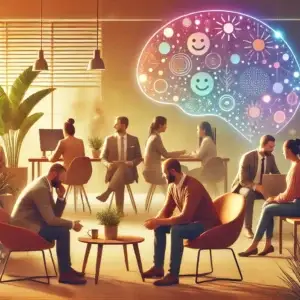
Managing ADHD: How To Address The Symptoms (And Live A Happier Life)
Starting to feel like you can’t focus or don’t have the energy for anything? If so, it’s possible that you may be suffering from Attention Deficit Hyperactivity Disorder (ADHD). This is a chronic neurological disorder that impacts how your brain processes information. Luckily, there are plenty of things you can do to help manage ADHD symptoms. In this article, we’ll cover some helpful tips and tricks to help better manage ADHD and lead a happier life.
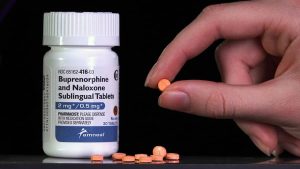
Is Suboxone® Right for You? A Guide to Buprenorphine and Naloxone Treatment
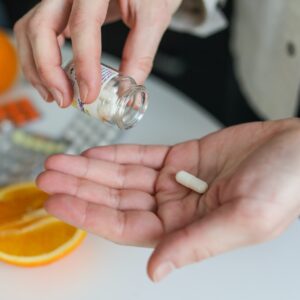
Suboxone is a medication that is used to treat opioid addiction. It is a combination of two drugs, buprenorphine, and naloxone. Buprenorphine is an opioid agonist, which means it binds to the same receptors in the brain as other opioids such as heroin and morphine. Naloxone is an opioid antagonist, which means it blocks the effects of opioids. Suboxone is taken as a tablet or film that is placed under the tongue or inside the cheek. It is usually taken once a day.
Suboxone is used as part of a complete treatment program that includes counseling and behavioral therapy. It should not be used if you are pregnant or breastfeeding. You should not drink alcohol or use other drugs while taking Suboxone. If you stop taking Suboxone suddenly, you may experience withdrawal symptoms such as anxiety, sweating, shaking, nausea, and diarrhea.

The Power of Healthy Relationships: How Connection Boosts Mental Health
We all know relationships matter. But I don’t think we realize just how much they impact our mental health. Think about it. The people around us—whether it’s family, friends, or even our partners—can either make us feel at peace or leave us totally drained. I know, because I’ve felt both. That’s why having healthy relationships isn’t just nice to have. It’s essential for how we feel, day in and day out.
Let’s talk about why these relationships are so important for your mental health. And more importantly, how you can start building better ones. We’ll also get into how to handle it when a relationship starts to feel… well, toxic.
This Is What Panic Disorder Looks Like And Why You Should Seek Treatment
Panic disorder is the third most commonly diagnosed anxiety disorder in the US. According to one study, this condition affects over 1 percent of Americans-2 million people and occurs twice as often in women than in men. A combination of psychotherapy and medications are typically used to manage panic disorder.
When you understand the science behind panic attacks, it can be easier to see why treatment is so important. Panic attacks are caused by a combination of factors, including genetics, environmental stressors, and brain chemistry.
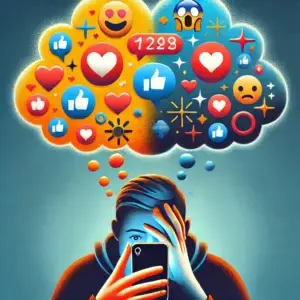
Maintaining Mental Health in Social Media-Driven World
Social media has become a huge part of our lives. From catching up with friends to staying updated on world events, platforms like Instagram, Facebook, TikTok, and Twitter (now X) are woven into our daily routines. But while social media offers many benefits, it can also have a significant impact on our mental health. Whether it’s the pressure to compare ourselves to others or the overwhelming flow of information, it’s important to understand how social media might affect your well-being and how you can take steps to protect your mental health.

Calm Your Mind: The Role of Mindfulness and Meditation in Mental Wellness
Life is busy. Between work, family, and all the other things that come our way, it’s easy to feel like everything is moving too fast. Sometimes, the stress builds up before we even notice it. I’ve been there too. But over time, I learned that small changes—like practicing mindfulness and meditation—can make a huge difference in how we manage that stress and feel more in control.
These aren’t just trendy buzzwords. Mindfulness and meditation are simple, practical tools that anyone can use to feel better. You don’t need fancy gear or hours of spare time. A few minutes a day can do wonders. Let’s talk about how.

Identifying Eating Disorders and Taking Action
Eating disorders are often brushed under the rug or misunderstood. They affect millions of people, impacting their bodies and minds in ways many of us might not even notice at first. Whether it’s skipping meals, obsessing over calories, or extreme exercise, the warning signs aren’t always obvious, especially when it’s happening to someone close to you—or even yourself. But catching the signs early can make a huge difference. Let’s talk about what to look for, why it matters, and how to get help if you or someone you know might be struggling.
How to Improve Your Sleep in Stressful Times
When the world seems to be falling apart, it can be hard to relax. You might find yourself constantly going over what could or will happen, or maybe even running through the past and trying to figure out how you messed up so much in the first place.
Unplug The Gadgets 30 Minutes Before Bed
It’s no secret that stress can take a toll on your sleep. If you’re finding it hard to catch some zzz’s, unplugging from your gadgets may help.
According to a recent study, spending time on devices like phones and laptops before bed can make it harder to fall asleep. The blue light emitted from screens can disrupt your body’s natural sleep cycle.