



Pharmacogenomics: Personalizing Psychiatric Medications for Better Results
How pharmacogenomics testing can help in psychiatric medication management?
Pharmacogenomics testing is a relatively new field that is beginning to be used more and more in psychiatric medication management. This type of testing can help to identify which medications will work best for a particular patient, based on their genetic makeup. In this article, we’ll discuss the use of pharmacogenomics testing in psychiatric medication management and how it can benefit patients.
What is pharmacogenomics testing?
Pharmacogenomics testing is a type of genetic testing that can help to predict how a person will respond to certain psychiatric medications. This information can be used to tailor medication treatment plans for individual patients.

Is Vivitrol Right for You? Understanding Its Role in Addiction Recovery
Addiction is a chronic disease that affects the brain and changes the way a person feels, thinks, and behaves. It is a disease that can be difficult to overcome without treatment. However, there are treatments available that can help people struggling with addiction recover. Vivitrol is one such treatment. This article will discuss how Vivitrol works and how it can help people overcome addiction.
What is Vivitrol?
Vivitrol is a prescription medication that can help treat alcohol and drug addiction. It is a long-acting form of naltrexone, an opioid receptor antagonist that blocks the effects of drugs like heroin, morphine, and codeine.
Vivitrol can help people who are addicted to alcohol or drugs by reducing cravings and helping to prevent relapse. It is most effective when used in combination with other treatment methods, such as therapy and counseling.

This Is What Panic Disorder Looks Like And Why You Should Seek Treatment
Panic disorder is the third most commonly diagnosed anxiety disorder in the US. According to one study, this condition affects over 1 percent of Americans-2 million people and occurs twice as often in women than in men. A combination of psychotherapy and medications are typically used to manage panic disorder.
When you understand the science behind panic attacks, it can be easier to see why treatment is so important. Panic attacks are caused by a combination of factors, including genetics, environmental stressors, and brain chemistry.

Calm Your Mind: The Role of Mindfulness and Meditation in Mental Wellness
Life is busy. Between work, family, and all the other things that come our way, it’s easy to feel like everything is moving too fast. Sometimes, the stress builds up before we even notice it. I’ve been there too. But over time, I learned that small changes—like practicing mindfulness and meditation—can make a huge difference in how we manage that stress and feel more in control.
These aren’t just trendy buzzwords. Mindfulness and meditation are simple, practical tools that anyone can use to feel better. You don’t need fancy gear or hours of spare time. A few minutes a day can do wonders. Let’s talk about how.
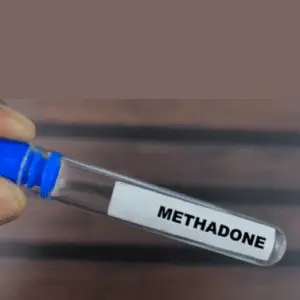
Methadone: A Lifesaving Treatment for Opioid Addiction
Methadone is a medication that has been used for decades to treat opioid addiction. It works by binding to the same receptors in the brain as opioids, but without producing the same high. This can help to reduce cravings and withdrawal symptoms, making it easier for people to stop using opioids.
What is Methadone?
Methadone is a medication that is used to treat opioid addiction. It is a long-acting synthetic opioid that is similar to morphine. Methadone is taken orally and works by binding to the same brain receptors as opioids, but it produces a much weaker effect. This reduces the risk of overdose and decreases the intensity of withdrawal symptoms.


Identifying Eating Disorders and Taking Action
Eating disorders are often brushed under the rug or misunderstood. They affect millions of people, impacting their bodies and minds in ways many of us might not even notice at first. Whether it’s skipping meals, obsessing over calories, or extreme exercise, the warning signs aren’t always obvious, especially when it’s happening to someone close to you—or even yourself. But catching the signs early can make a huge difference. Let’s talk about what to look for, why it matters, and how to get help if you or someone you know might be struggling.
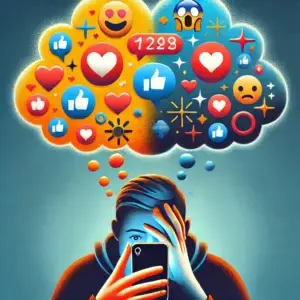
Maintaining Mental Health in Social Media-Driven World
Social media has become a huge part of our lives. From catching up with friends to staying updated on world events, platforms like Instagram, Facebook, TikTok, and Twitter (now X) are woven into our daily routines. But while social media offers many benefits, it can also have a significant impact on our mental health. Whether it’s the pressure to compare ourselves to others or the overwhelming flow of information, it’s important to understand how social media might affect your well-being and how you can take steps to protect your mental health.