
Substance Use During Pregnancy
If you’re pregnant and using opioids, alcohol or other drugs, please reach out. We won’t judge you. Our providers offer consultations to talk through your situation and your options, and we work with your OB.
One important thing: if you’re taking opioids or are dependent on them, don’t stop suddenly. That can be dangerous for you and the baby. During pregnancy, opioid use disorder is treated with medication, usually buprenorphine or methadone, which can ease cravings and prevent withdrawal. Our providers prescribe buprenorphine during pregnancy when it’s appropriate.
Learn more about our substance use treatment and Suboxone program.
How to Get Started
1. Ask for an appointment
Call (754) 270-6322 or request an appointment online. We’re open Monday through Saturday, 9:00 AM to 5:00 PM, and same-day visits are often possible.
2. We call you back
Our staff check your insurance, send your intake packet and confirm the time of your visit and whether it’s in our Fort Lauderdale office or by video.
3. Your first visit
Your provider goes over your symptoms, history, past treatment and current medications, then talks through a plan with you. If you’re pregnant, tell us how far along you are and who your OB or midwife is.
Common Questions
Do you prescribe zuranolone (Zurzuvae)?
Yes, for adults with postpartum depression when it’s a good fit. Your provider will go over whether it’s right for you.
Is it safe to take antidepressants while pregnant?
For many people the benefits outweigh the risks, and NIMH describes the risk of birth defects as very low. It depends on your situation, so talk it through with your provider before starting or stopping anything.
Can I breastfeed while taking medication?
Often, yes, depending on the medication. Tell your provider you’re breastfeeding so they can pick the safest option.
How do I know if it’s baby blues or postpartum depression?
Baby blues usually fade within two weeks. If your symptoms are strong or last longer than that, get checked.
Can you help if I’m pregnant and using drugs?
Yes. Our providers offer consultations for substance use during pregnancy, can prescribe buprenorphine when it’s appropriate and work with your OB. If you’re using opioids, don’t stop suddenly. Call us first.
Can I be seen by video with a newborn at home?
Yes. Video visits work anywhere in Florida, which makes it easier when you’ve just had a baby.
Insurance and Cost
We take Medicare, Medicaid, Tricare, Aetna, Blue Cross Blue Shield, Cigna, UnitedHealthcare, Humana and Optum, and we have sliding-scale rates if you’re paying yourself. We check your coverage before the visit. The price of the medication itself depends on your pharmacy and plan. More on insurance.
We see patients from age 6, and same-day visits are often possible. Several of our providers and staff speak Spanish. Request an appointment or call (754) 270-6322.
Who You’ll See
Your care is with our team of psychiatrists, psychiatric nurse practitioners and physician assistants. Some of them speak Spanish. You can meet our providers before you book, and our staff can help you choose someone who’s a good fit.
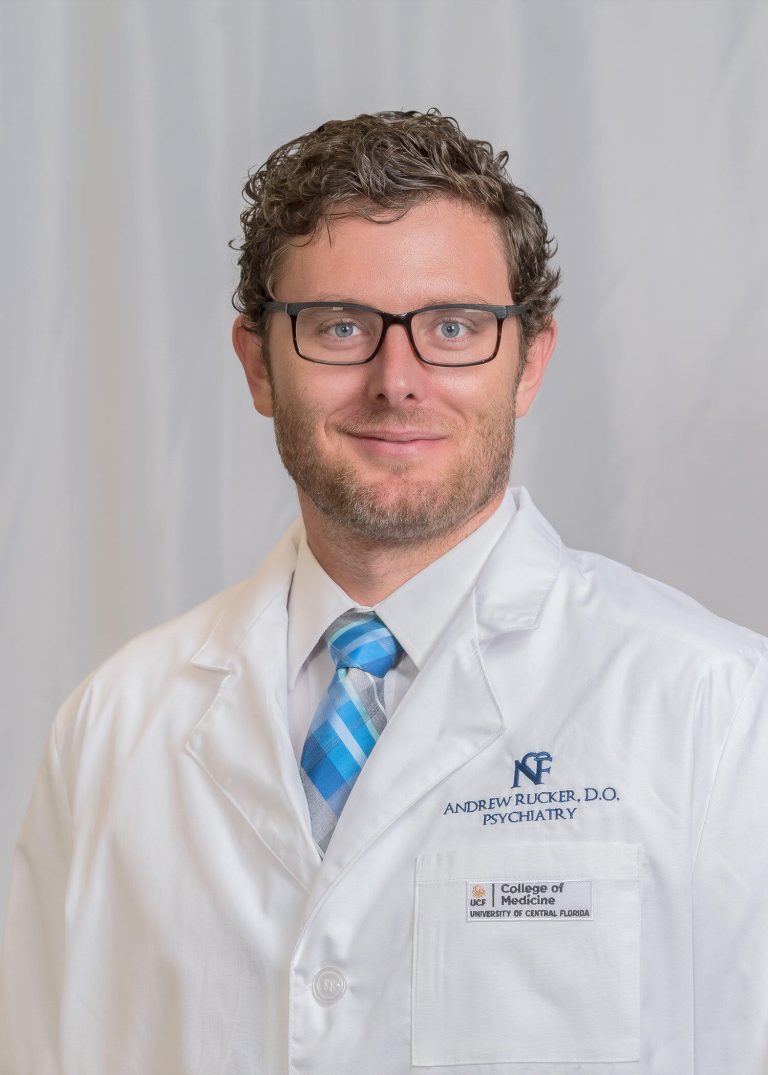 Dr. Andrew C. Rucker, DOPsychiatrist
 Dr. Murtaza Ali, DOAddiction specialist and family physician
 Dr. Heather Brathwaite, PhD, PMHNP-BCPsychiatric nurse practitioner
 Michelle KovalPsychiatric nurse practitioner
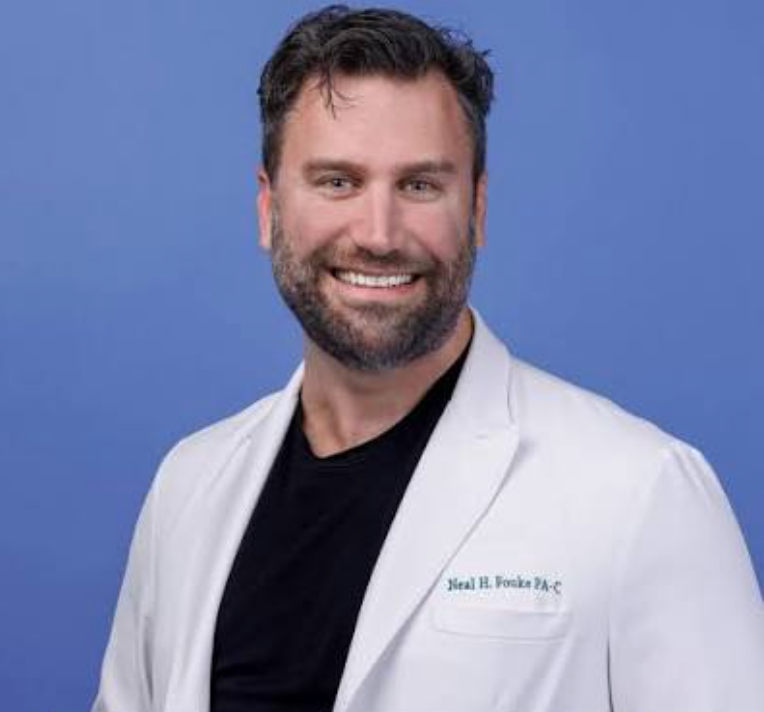 Neal Fouke, PAPsychiatric physician assistant
 Muhammad Nawaz, PMHNP-BCPsychiatric nurse practitioner
We aren’t an emergency service. If you’re thinking about suicide or you’re in crisis, call or text 988. If you or someone else is in immediate danger, call 911.
Medically reviewed by Dr. Andrew C. Rucker, DO, psychiatrist, on October 6, 2026.
Sources: NIMH: Perinatal Depression; MedlinePlus: Postpartum Depression; FDA: First Oral Treatment for Postpartum Depression; MedlinePlus: Pregnancy and Substance Use; MedlinePlus: Pregnancy and Opioids. This page is general information, not medical advice.