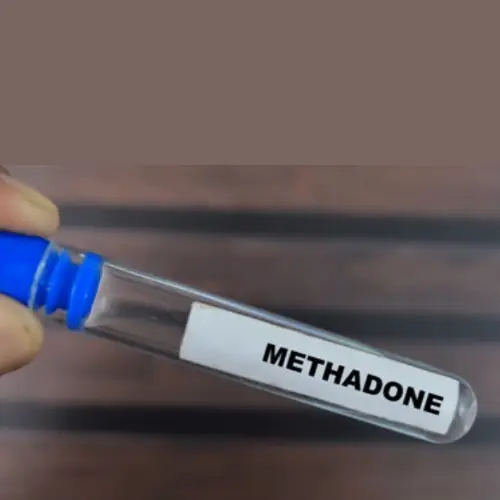

Methadone: A Lifesaving Treatment for Opioid Addiction
Methadone is a medication that has been used for decades to treat opioid addiction. It works by binding to the same receptors in the brain as opioids, but without producing the same high. This can help to reduce cravings and withdrawal symptoms, making it easier for people to stop using opioids.
What is Methadone?
Methadone is a medication that is used to treat opioid addiction. It is a long-acting synthetic opioid that is similar to morphine. Methadone is taken orally and works by binding to the same brain receptors as opioids, but it produces a much weaker effect. This reduces the risk of overdose and decreases the intensity of withdrawal symptoms.
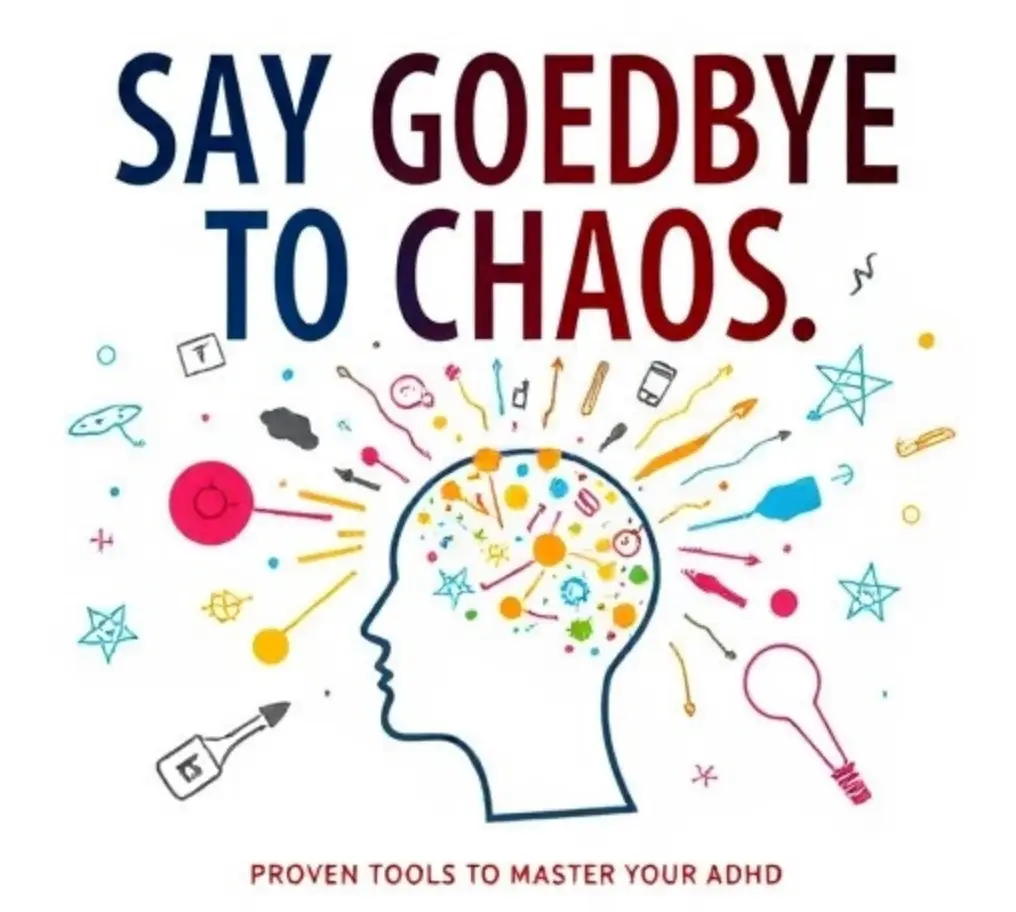
Proven Tools to Master Your ADHD:Say Goodbye to Chaos
Being an adult with ADHD can frequently feel overwhelming. The book “Taking Charge of Adult ADHD” by Dr. Russell Barkley is a ray of hope for people who are having trouble controlling their symptoms since it provides useful tools and techniques. This book focuses on how to survive in spite of ADHD rather than going into great detail on the diagnosis itself.
Several useful methods that assist in addressing the difficulties of adult ADHD head-on are at the core of the book:



Why Family Therapy Works: Navigating Conflicts and Creating Harmony
Family therapy is a form of counseling that helps families work through their problems. It can be beneficial for families who are dealing with a wide range of issues, including conflict, mental health problems, addiction, and more. Family therapy can help families communicate better, understand each other’s perspectives, and develop healthier patterns of behavior.
What is family therapy?
Family therapy is a type of therapy that focuses on the relationships between family members and on the family unit as a whole. It can help families to improve communication, resolve conflict, and deal with other issues.

What Causes Anxiety? Symptoms and Treatment Options
Anxiety is a mental health disorder characterized by feelings of worry, anxiety, or fear that are strong enough to interfere with one’s daily activities. There are different types of anxiety disorder. Causes include stress, trauma, genetics, and others. Symptoms of anxiety may include feeling irritable, restless or jittery, having muscle tension, or having trouble sleeping. The most common treatment options for anxiety disorders are therapy and medication.
Types of Anxiety
There are different types of anxiety, and each type can have different symptoms. Treatment options will vary depending on the type of anxiety you have. Here are some of the most common types of anxiety:
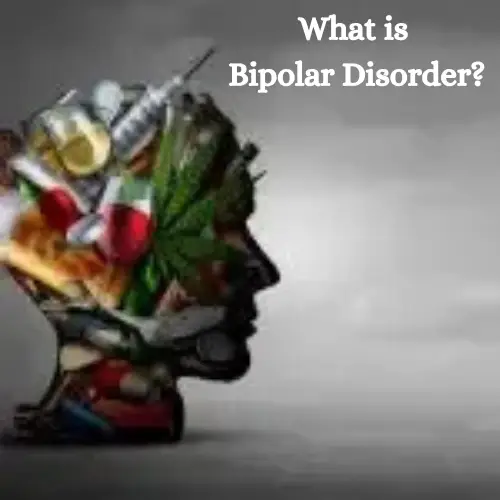
What is Bipolar disorder?
Bipolar disorder also called manic depression, is a mental health condition that causes people to experience extreme changes in mood. Symptoms of bipolar disorder can include periods of depression, followed by periods of mania or hypomania. Although bipolar disorder can be a lifelong condition, it is possible to manage the symptoms with medication and therapy. The highs, or mania, can be very intense and last for long periods of time. The lows, or depression, can be just as intense and last for long periods of time. People with bipolar disorder often have trouble functioning in their everyday lives.
Symptoms of bipolar disorder
Bipolar disorder is a mental illness that causes extreme shifts in mood, energy, and activity levels. People with bipolar disorder can have periods of intense happiness, followed by periods of deep depression. These mood swings can be so severe that they interfere with everyday life.

Regain Control from Opioid Addiction: How Sublocade Supports Recovery
Opioid addiction is a tough battle, affecting millions of lives across the U.S. every day. It can feel like an overwhelming cycle, but the good news is, recovery is possible. One treatment that’s been gaining attention lately is Sublocade, a medication specifically designed to help people manage opioid addiction. But what exactly is Sublocade, and how can it help someone struggling with addiction?
In this post, we’ll explore what Sublocade is, how it works, and why it might be a game-changer in your journey to recovery. If you or a loved one is trying to overcome opioid addiction, understanding what this treatment offers can be a big step toward finding the right help.

Identifying Eating Disorders and Taking Action
Eating disorders are often brushed under the rug or misunderstood. They affect millions of people, impacting their bodies and minds in ways many of us might not even notice at first. Whether it’s skipping meals, obsessing over calories, or extreme exercise, the warning signs aren’t always obvious, especially when it’s happening to someone close to you—or even yourself. But catching the signs early can make a huge difference. Let’s talk about what to look for, why it matters, and how to get help if you or someone you know might be struggling.

Pharmacogenomics: Personalizing Psychiatric Medications for Better Results
How pharmacogenomics testing can help in psychiatric medication management?
Pharmacogenomics testing is a relatively new field that is beginning to be used more and more in psychiatric medication management. This type of testing can help to identify which medications will work best for a particular patient, based on their genetic makeup. In this article, we’ll discuss the use of pharmacogenomics testing in psychiatric medication management and how it can benefit patients.
What is pharmacogenomics testing?
Pharmacogenomics testing is a type of genetic testing that can help to predict how a person will respond to certain psychiatric medications. This information can be used to tailor medication treatment plans for individual patients.
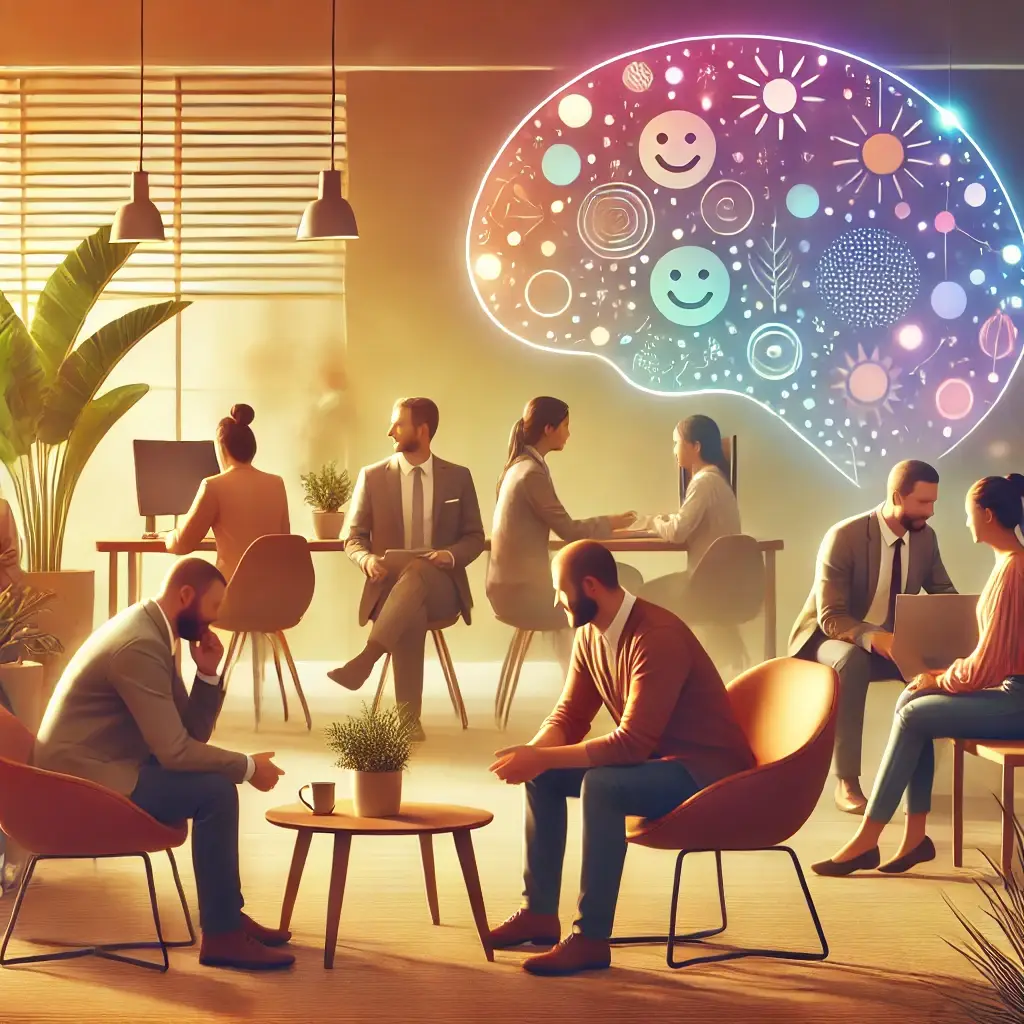
Managing ADHD: How To Address The Symptoms (And Live A Happier Life)
Starting to feel like you can’t focus or don’t have the energy for anything? If so, it’s possible that you may be suffering from Attention Deficit Hyperactivity Disorder (ADHD). This is a chronic neurological disorder that impacts how your brain processes information. Luckily, there are plenty of things you can do to help manage ADHD symptoms. In this article, we’ll cover some helpful tips and tricks to help better manage ADHD and lead a happier life.
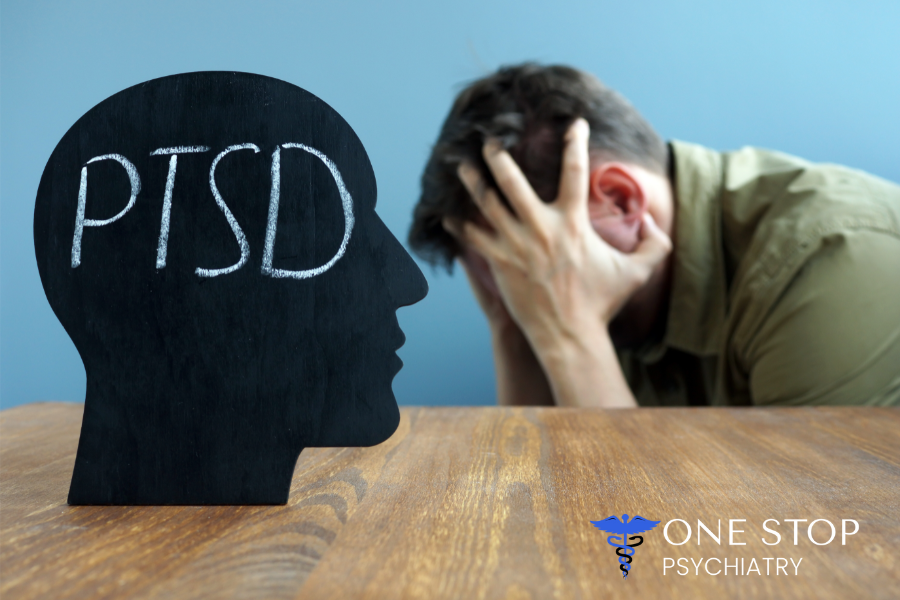

What to Expect with Naltrexone: Benefits, Uses, and Side Effects
Addiction is a complex disease that can have many different causes. But regardless of the root cause, addiction always involves changes in the brain. These changes can make it difficult for people to quit on their own, which is why medications like naltrexone can be so helpful. Naltrexone is a medication that helps to normalize brain chemistry and reduce cravings, making it an important tool in the fight against addiction.
What is Naltrexone?
Naltrexone is a medication that has been shown to be effective in treating addiction. It works by blocking the effects of drugs, such as opiates, on the brain. This can help to reduce cravings and prevent relapse. Naltrexone is available in both oral and injectable forms.