
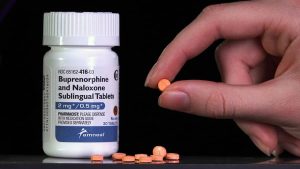
Suboxone is a prescription medication used to treat opioid addiction. It is a combination of two drugs, buprenorphine, and naloxone, and comes in the form of a sublingual film that dissolves under the tongue.
What is Suboxone?
Suboxone is a medication that is used to treat opioid addiction. It is a combination of two drugs, buprenorphine, and naloxone. Buprenorphine is an opioid agonist, which means it binds to the same receptors in the brain as other opioids such as heroin and morphine. Naloxone is an opioid antagonist, which means it blocks the effects of opioids. Suboxone is taken as a tablet or film that is placed under the tongue or inside the cheek. It is usually taken once a day.
Suboxone is used as part of a complete treatment program that includes counseling and behavioral therapy. It should not be used if you are pregnant or breastfeeding. You should not drink alcohol or use other drugs while taking Suboxone. If you stop taking Suboxone suddenly, you may experience withdrawal symptoms such as anxiety, sweating, shaking, nausea, and diarrhea.
How Does Suboxone Work?
Suboxone is a medication used to treat opioid addiction. It is a combination of two drugs, buprenorphine, and naloxone, which work together to reduce cravings and withdrawal symptoms.
Buprenorphine is an opioid medication that binds to the same receptors in the brain as other opioids, such as heroin or prescription painkillers. This action reduces cravings and prevents withdrawal symptoms.
Naloxone is an opioid antagonist that blocks the effects of opioids. It is used in combination with buprenorphine to deter abuse and prevent overdose. If someone tries to abuse Suboxone by injecting it, the naloxone will cause them to experience withdrawal symptoms.
Suboxone is taken as a sublingual film or tablet, which dissolves under the tongue. It is typically taken once a day, but the dose may be increased or decreased depending on the individual’s response.
What Are the Benefits of Suboxone?
There are many benefits to taking Suboxone, especially if you are struggling with opioid addiction. This medication can help to reduce cravings and withdrawal symptoms, making it easier to get through the detox and recovery process. Suboxone can also help to prevent relapse, as it blocks the effects of other opioids.
In addition to its physical benefits, Suboxone can also have a positive impact on your mental health. Addiction can be a very isolating experience, but taking Suboxone can help you feel more connected to yourself and others. This medication can also help to improve your mood and ease anxiety.
What Are the Side Effects of Suboxone?
While Suboxone is generally considered a safe and effective medication for treating opioid addiction, there are some potential side effects that users should be aware of. The most common side effects include nausea, vomiting, constipation, headaches, dizziness, sweating, and dry mouth. Some of these side effects may go away as your body adjusts to the medication. However, if they persist or become bothersome, be sure to talk to your doctor. More serious side effects of Suboxone include slowed breathing, seizures, and an irregular heartbeat. If you experience any of these side effects, seek medical attention immediately.
How to Get Prescribed Suboxone
Suboxone is a medication used to treat addiction and dependence on opioids. It is a combination of buprenorphine, an opioid partial agonist, and naloxone, an opioid antagonist. Suboxone is used as part of a treatment plan that includes counseling and behavioral therapy.
If you are interested in getting prescribed Suboxone, there are a few things you need to do. First, you need to find a doctor who is certified to prescribe the medication. You can search for certified doctors on the SAMHSA website. Once you have found a doctor, you will need to schedule an appointment and bring your medical records with you. During the appointment, the doctor will assess whether or not Suboxone is right for you. If they prescribe Suboxone, they will also provide you with information on how to take the medication safely and what side effects to expect.
Where to Get Suboxone?
Suboxone is a prescription medication that is used to treat opioid addiction. It is a combination of buprenorphine and naloxone, and it works by blocking the effects of opioids and helping to reduce withdrawal symptoms.
It is available through prescriptions from certified physicians. You can find a list of certified physicians in your area on the Suboxone website.
In addition to finding a certified physician, you will also need to find a pharmacy that carries Suboxone. Not all pharmacies carry Suboxone, so you may need to call around to find one that does.
Conclusion
Suboxone is a medication that contains buprenorphine and naloxone. If you or someone you know are struggling with opioid addiction, know that there are treatment options available to you at One Stop Psychiatry.
Call us for free consultation: Ph: (754) 270-6322
Address: 8910 Miramar Pkwy Office 309G, Miramar, FL 33025