One Stop Psychiatry does not prescribe methadone. We do treat opioid addiction, with other medicines that work well and are easier to fit into daily life. This page explains what methadone is and the options we offer instead.
What methadone is
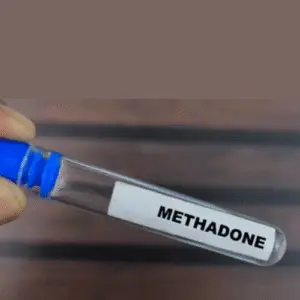
Methadone is a long-acting opioid medicine used to treat opioid use disorder. Taken once a day, it eases withdrawal and cravings so people can stop using heroin, fentanyl or pain pills. It has been used for more than 50 years, and research shows it lowers the risk of overdose death.
Under federal law, methadone for addiction is only given through certified opioid treatment programs. Most people go to the clinic often at first and may earn take-home doses over time. Because of these rules, outpatient practices like ours can’t prescribe it for addiction.
Safety points if you take methadone
- Combining methadone with alcohol, benzodiazepines (such as Xanax or Klonopin) or sleep medicines can slow breathing to a dangerous level.
- It can affect heart rhythm at higher doses, so your program may check an EKG.
- Common side effects include drowsiness, constipation and sweating.
- Don’t stop or change your dose on your own. Keep naloxone (Narcan) at home.
Options we offer instead
- Suboxone (buprenorphine and naloxone): a daily film or tablet, prescribed by video anywhere in Florida or at our Fort Lauderdale office.
- Sublocade: a monthly buprenorphine injection, so there’s no daily dose to remember.
- Brixadi: a weekly or monthly buprenorphine injection.
- Vivitrol (naltrexone): a monthly injection that blocks opioids, for people who have been opioid-free for about 7 to 10 days. It also helps with alcohol use disorder.
Your provider will go over your history and goals and help you choose. See our full addiction treatment services.
If you’re on methadone now
You can stay with your methadone program and still see us for depression, anxiety, sleep or other mental health care. If you’re thinking of switching to buprenorphine, plan it with your program and with our provider, because switching too quickly can cause withdrawal.
If you want methadone
To find a certified methadone program near you, visit FindTreatment.gov or call the free SAMHSA helpline at 1-800-662-4357.
Common questions
Does One Stop Psychiatry prescribe methadone?
No. In the U.S., methadone for opioid addiction can only be given through a certified opioid treatment program. We treat opioid use disorder with buprenorphine (Suboxone, Sublocade, Brixadi) and naltrexone (Vivitrol).
What can I take instead of methadone?
Buprenorphine is the most common alternative. It comes as a daily film or tablet (Suboxone), a weekly or monthly injection (Brixadi), or a monthly injection (Sublocade). Naltrexone (Vivitrol) is a monthly injection for people who have already stopped opioids.
Can I switch from methadone to Suboxone?
Often, yes, but the switch needs careful planning because starting buprenorphine too soon can bring on withdrawal. Talk with your methadone program and with our provider before changing anything.
Can I see you for mental health care while I stay on methadone?
Yes. You can stay with your methadone program and see us for depression, anxiety, sleep or other mental health care. Tell your provider about your methadone dose so medicines can be chosen safely.
Ready to talk about treatment? Request an appointment or call (754) 270-6322, Monday to Saturday, 9 to 5. In a crisis, call or text 988, or call 911.